



The Integrated BTech + MTech Biotechnology is a 5-year course for the combination of undergraduate and postgraduate studies in biotechnology. In this way, it creates an avenue from the basic idea to the practical application in a given field, with which the students would have more theoretical knowledge, more research skills, and exposure to industry.
Importance of Biotechnology
Biotechnology is amongst one of the most rapidly growing domains in this world with contributions across multiple sectors, which, in their combined influence, run high on impact factor in diverse fields, such as science, industry, and sustainability. Biotechnology is the study of biology while aided by technology in giving innovative solutions to improve human health, agricultural productivity, pharmaceutical applications, and in keeping with conservation developed for the environment.
Key Areas of Biotechnology Application
1. Healthcare
Biotechnology has revolutionized healthcare through groundbreaking innovations such as:
- Genetic Engineering: Modification of genes to treat genetic disorders and improve human health.
- Drug Development: Biotechnology helps in creating targeted therapies, improving drug efficacy, and reducing side effects.
- Personalized Medicine: Tailoring treatments based on an individual’s genetic profile to enhance effectiveness.
- Stem Cell Therapy: Regenerative medicine that uses stem cells to repair damaged tissues and organs.
- CRISPR Technology: A revolutionary gene-editing tool that allows precise modifications of DNA sequences.
2. Agriculture
Modern biotechnology plays a crucial role in enhancing agricultural productivity and food security:
- Genetically Modified (GM) Crops: Crops engineered to resist pests, diseases, and harsh environmental conditions.
- Biofertilizers: Microbial-based fertilizers that improve soil fertility and reduce the need for chemical fertilizers.
- Pest-Resistant Plants: Plants with built-in resistance to pests, reducing dependency on chemical pesticides.
- Drought-Resistant Crops: Crops genetically engineered to survive in water-scarce environments.
3. Pharmaceuticals
Biotechnology has significantly impacted the pharmaceutical industry by enabling the production of advanced medicines:
- Vaccine Development: Creation of vaccines for infectious diseases like COVID-19 using mRNA technology.
- Biopharmaceuticals: Development of biologically derived drugs such as monoclonal antibodies and insulin.
- Regenerative Medicine: Use of biotechnology in tissue engineering and organ transplantation.
- Antibiotic Production: Biotechnology aids in the discovery and synthesis of novel antibiotics to combat resistant bacteria.
4. Environmental Sustainability
Biotechnology contributes to environmental conservation through sustainable and eco-friendly solutions:
- Bioremediation: Use of microorganisms to clean up oil spills, heavy metals, and other pollutants.
- Waste Management: Conversion of organic waste into useful byproducts such as compost and bioenergy.
- Biofuels: Development of renewable energy sources like ethanol and biodiesel from biomass.
- Plastic Degradation: Engineering microbes to break down plastic waste, reducing environmental pollution.
Applications of Biotechnology Across Sectors
| Sector | Key Applications | Benefits |
| Healthcare | Genetic engineering, drug development, CRISPR | Disease treatment, personalized medicine, gene therapy |
| Agriculture | GM crops, biofertilizers, pest-resistant plants | Increased yield, reduced chemical use, climate resilience |
| Pharmaceuticals | Vaccine development, biopharmaceuticals | Effective treatments, faster drug production |
| Environment | Bioremediation, waste management, biofuels | Pollution reduction, renewable energy |
Why Choose the Integrated Program?
The integrated BTech-MTech program has various advantages and is a fantastic choice for students desiring to curtail their education and improve their career prospects. A few notable benefits of going for this program:
Key Advantages of the Integrated Program
| Advantage | Description |
| Continuous Learning | Eliminates the need for separate entrance exams and admissions for MTech, providing a seamless academic journey. |
| Time-Saving | Completes both degrees in 5 years instead of the usual 6 (4+2), allowing students to enter the workforce earlier. |
| Research Exposure | Provides early involvement in research projects, helping students build a strong foundation for innovation and advanced studies. |
| Better Career Prospects | Dual degree holders are preferred in industries, academia, and research-based roles, giving them an edge in competitive job markets. |
| Cost-Effective | More economical than pursuing BTech and MTech separately, as tuition and living costs are reduced by one year. |
| Stronger Academic Network | Students benefit from extended interactions with professors, researchers, and industry experts over five years, leading to better mentorship and opportunities. |
| Specialization Opportunities | Enables students to focus on specific areas of interest earlier, making them more proficient in their chosen field. |
| Industry Collaborations | Many institutions offering integrated programs collaborate with industries, allowing students to work on real-world projects and internships. |
| Higher Acceptance for PhD Programs | Universities often favor applicants with an integrated MTech degree for PhD admissions due to their research exposure and continuity in education. |
Benefits of Integrated BTech + MTech in Biotechnology
The Integrated BTech-MTech in Biotechnology is an excellent option for students looking to streamline their education while gaining deeper knowledge in biotechnology. This program offers several academic and professional advantages, making it a preferred choice for students aiming for careers in research, industry, and academia.
Key Benefits of the Integrated BTech-MTech Program
| Advantage | Description |
| Time Efficiency | Reduces the total study period by one year, allowing students to enter the job market or pursue a PhD earlier. |
| Comprehensive Learning | Covers both undergraduate and postgraduate concepts in a well-structured, integrated manner, ensuring a deeper understanding of core biotechnology principles. |
| Research-Oriented Curriculum | Encourages students to engage in advanced research projects and lab work from an early stage, improving their scientific and analytical skills. |
| Higher Employability | Graduates with an integrated degree are preferred for research roles, teaching positions, and biotech industries due to their extensive training. |
| Cost-Effective | Saves tuition fees, hostel expenses, and other academic costs compared to pursuing BTech and MTech separately. |
| Better Opportunities for Higher Studies | Directly qualifies students for PhD programs, making them strong candidates for doctoral research without needing additional qualifications. |
| Industry Collaboration | Many universities collaborate with biotech companies and research institutions, providing students with internship and placement opportunities in reputed firms. |
| Advanced Lab Exposure | The extended program duration allows for extensive hands-on experience with sophisticated lab equipment and biotechnological research techniques. |
| Specialization Flexibility | Offers the opportunity to specialize in niche areas such as genetic engineering, bioinformatics, pharmaceutical biotechnology, and environmental biotechnology. |
| Stronger Academic and Professional Network | Students benefit from longer interactions with faculty, researchers, and industry experts, enhancing their professional connections. |
| Higher Acceptance for PhD and Postdoctoral Research | Universities often favor applicants with an integrated MTech degree for PhD admissions due to their research exposure and continuity in education. |
| Interdisciplinary Knowledge | Biotechnology is an evolving field that integrates biology, chemistry, computer science, and engineering, making an integrated degree highly valuable. |
| Entrepreneurial Opportunities | The program equips students with the knowledge and skills to launch biotech startups, develop innovative solutions, and contribute to medical and agricultural advancements. |
Integrated BTech-MTech vs. Separate Degrees
| Aspect | Integrated BTech-MTech | Separate BTech & MTech |
| Duration | 5 years | 6 years (4+2) |
| Total Cost | Lower due to reduced duration | Higher due to extra year of tuition and living expenses |
| Research Exposure | Begins in early years, leading to more experience | Research starts late, often in the final year of MTech |
| Industry Readiness | More practical exposure and projects | Lesser hands-on training due to a shorter research period |
| Higher Studies | Directly eligible for PhD programs | May require additional qualifications or experience |
Why Biotechnology?
Biotechnology is a rapidly evolving field that impacts healthcare, agriculture, and environmental sustainability. The demand for biotech professionals is increasing due to advancements in genetic engineering, biopharmaceuticals, and bioinformatics.
Further Reading:
- Scope of Biotechnology
- Career Opportunities in Biotechnology
- Biotech Industry Trends
The Integrated BTech + MTech in Biotechnology is an efficient, cost-effective, and research-oriented pathway that enhances career prospects in both academia and industry. With increasing demand for skilled biotech professionals, this program is an excellent choice for students aiming for research, industry roles, and entrepreneurship in biotechnology.
Curriculum of Integrated BTech + MTech in Biotechnology
The Integrated BTech-MTech in Biotechnology follows a comprehensive and interdisciplinary curriculum, covering foundational sciences, advanced biotechnology concepts, and research-oriented subjects. This program blends theoretical knowledge with hands-on lab experience, ensuring graduates are well-prepared for industry and academic careers.
Course Structure: Year-wise Breakdown
| Year | Subjects & Focus Areas | Key Skills Acquired |
| 1st Year | Basic Sciences – Physics, Chemistry, Mathematics, Biology | Strong foundation in core scientific principles |
| 2nd Year | Biochemistry, Microbiology, Molecular Biology, Genetics | Understanding of cellular mechanisms, genetics, and microbial interactions |
| 3rd Year | Industrial Biotechnology, Bioinformatics, Immunology | Application of biotechnology in industries, data analysis in biology, and immune system functions |
| 4th Year | Specialized Subjects, Research Projects | Hands-on experience in research, laboratory techniques, and biotech innovations |
| 5th Year | Advanced Topics, Thesis, Internships | Independent research, industry exposure, and preparation for professional careers |
Further Reading:
- Biotechnology Syllabus Overview
- Importance of Bioinformatics in Biotechnology
Specializations in MTech
The program allows students to choose a specialization in the final years, focusing on a particular sector of biotechnology.
| Specialization | Key Focus Areas | Career Opportunities |
| Healthcare Biotechnology | Drug discovery, gene therapy, medical diagnostics, personalized medicine | Biomedical research, pharmaceutical companies, diagnostic labs |
| Agricultural Biotechnology | GMO research, plant tissue culture, crop improvement | Agri-tech firms, food industries, genetic crop development |
| Environmental Biotechnology | Waste management, bioremediation, biofuels | Sustainability projects, environmental consultancy, waste treatment plants |
| Bioprocessing & Industrial Biotechnology | Fermentation technology, biomanufacturing, enzyme engineering | Biotech firms, industrial fermentation units, biofuel production |
Explore Specializations:
- What is Healthcare Biotechnology?
- Scope of Agricultural Biotechnology
- Bioprocessing in the Biotech Industry
Hands-on Learning & Practical Training
1. Laboratory Training
Students engage in state-of-the-art laboratory work across different disciplines, including:
- Genetic Engineering Labs – CRISPR, PCR, DNA sequencing
- Microbial Culture Labs – Fermentation, antibiotic resistance studies
- Bioinformatics Labs – Computational biology, genomics
- Bioprocessing Units – Large-scale production, purification of biomolecules
Internships & Industrial Exposure
In the final years, students participate in internships and industry collaborations with biotech firms, research labs, and pharmaceutical companies.
- Top biotech firms offering internships: Biocon, Thermo Fisher Scientific, Pfizer
Research & Thesis Work
Students undertake thesis projects on emerging biotech areas such as:
- Stem Cell Research
- Artificial Intelligence in Biotechnology
- Genetically Modified Organisms (GMOs)
- Biodegradable Plastics & Sustainable Biotech
Biotech Research Trends:
Comparison of Integrated vs. Traditional Programs
| Criteria | Integrated BTech-MTech | Separate BTech & MTech |
| Duration | 5 years | 6 years (4+2) |
| Cost | Lower due to reduced time & tuition | Higher due to an extra year of expenses |
| Career Entry | Faster, with earlier job opportunities | Delayed by an extra year of study |
| Research Exposure | Starts in the early years | Begins late, mostly in MTech |
| Industry Preference | Preferred due to integrated, specialized training | Requires additional qualifications or research experience |
Further Comparison:
- MTech vs. Integrated MTech – What’s Better?
Career Prospects After Integrated BTech-MTech
Graduates from this program have diverse career opportunities in multiple sectors:
| Industry | Potential Job Roles | Employers |
| Pharmaceutical & Healthcare | Biotech Researcher, Biomedical Engineer, Drug Analyst | Pfizer, Novartis, GSK |
| Agricultural Biotechnology | Crop Scientist, Genetic Engineer, Agritech Consultant | Monsanto, Bayer Crop Science |
| Industrial Biotech & Bioprocessing | Bioprocess Engineer, Fermentation Scientist | Thermo Fisher, Lonza |
| Environmental & Sustainability | Bioremediation Expert, Waste Management Scientist | UN Environment, Tata Energy |
| Academia & Research | Professor, Research Scientist, Postdoctoral Fellow | Harvard Biotech Labs, MIT Biotechnology |
Explore Biotech Careers:
The Integrated BTech-MTech in Biotechnology is an efficient, cost-effective, and research-driven pathway that enhances career prospects in academia, industry, and innovation. The program offers extensive practical training, internships, and research opportunities, making graduates highly competitive in the rapidly evolving biotechnology sector.
Admission Process for Integrated BTech + MTech in Biotechnology
Admission to the Integrated BTech-MTech Biotechnology program is based on eligibility criteria, entrance exams, and counseling processes. The selection process varies across institutions, with top universities requiring national-level entrance exams, while some private universities conduct their own tests.
Eligibility Criteria
To apply for the Integrated BTech-MTech in Biotechnology, candidates must meet the following basic requirements:
| Criteria | Details |
| Educational Qualification | Must have completed 10+2 (or equivalent) with Physics, Chemistry, and Mathematics/Biology. |
| Minimum Marks Required | At least 60% aggregate (varies by institution; some may require 70-75% for top-tier institutes). |
| Age Limit | Generally, candidates should be below 25 years at the time of application. |
| Nationality | Indian and international students are eligible (some universities have specific quotas for NRIs and foreign students). |
Check Eligibility Criteria for Top Institutes:
Entrance Exams for Admission
Admission is primarily based on entrance exams, which vary across institutions. Below is a list of major exams and the universities accepting them:
| Exam Name | Institutes Accepting | Official Website |
| JEE Main & Advanced | IITs, NITs, IIITs, and some private universities | jeemain.nta.nic.in |
| BITSAT | BITS Pilani, Goa, Hyderabad | bitsadmission.com |
| VITEEE | Vellore Institute of Technology (VIT) | viteee.vit.ac.in |
| SRMJEEE | SRM Institute of Science and Technology | srmist.edu.in |
| MET (Manipal Entrance Test) | Manipal Institute of Technology | manipal.edu |
| CUET | Delhi University, BHU, and other central universities | cuet.samarth.ac.in |
Related Reading:
- How to Prepare for JEE Advanced
- BITSAT Exam Pattern & Syllabus
- CUET Exam Guide
Application Process
The application process for the Integrated BTech-MTech Biotechnology program consists of multiple steps:
| Step | Process |
| 1. Registration | Visit the institute’s official website and complete the online registration. |
| 2. Fill the Application Form | Provide personal details, academic records, and select exam centers. |
| 3. Upload Documents | Submit required documents (marksheets, ID proof, passport-size photo, category certificate if applicable). |
| 4. Pay the Application Fee | Payment can be made via online banking, debit/credit cards, or UPI. |
| 5. Appear for the Entrance Exam | Attend the entrance exam as per the scheduled date. |
| 6. Counseling Process | Based on exam scores, students participate in counseling sessions for seat allocation. |
| 7. Document Verification & Admission Confirmation | Final admission is granted after document verification and fee payment. |
Application Links for Top Exams:
Counseling & Seat Allotment Process
Once the entrance exam results are announced, students must participate in counseling rounds conducted by different universities.
| Counseling Type | Applicable Institutes | Process |
| JoSAA (Joint Seat Allocation Authority) | IITs, NITs, IIITs | Based on JEE Advanced & JEE Main scores, candidates fill choices and are allotted seats. |
| BITSAT Counseling | BITS Pilani | Online seat allocation based on BITSAT score and preference filling. |
| VITEEE Counseling | VIT University | Candidates are called for counseling based on their ranks. |
| SRMJEEE Counseling | SRM University | Online and offline seat allocation based on SRMJEEE score. |
| State-Level Counseling | Various state universities | Conducted for state engineering colleges based on state entrance exams. |
Counseling Details:
- JoSAA Seat Allocation Process
- BITS Pilani Counseling Guide
- VITEEE Counseling Process
Direct Admission & Lateral Entry Options
Some private universities offer direct admission or lateral entry to the Integrated BTech-MTech program based on merit or special criteria.
| Admission Type | Institutes Offering | Eligibility |
| Direct Admission (Without Entrance Exam) | Amity University, Shiv Nadar University, Lovely Professional University (LPU) | High 12th-grade marks (above 85-90%). |
| Lateral Entry Admission | Some private universities | Diploma or BSc holders with a minimum 60% in relevant subjects. |
Check Direct Admission Details:
Comparison of Admission Paths
| Admission Mode | Eligibility Criteria | Common Institutes | Pros & Cons |
| Entrance Exam Based Admission | JEE, BITSAT, VITEEE, etc. | IITs, NITs, BITS, VIT, SRM | Higher competition but better reputation and placements. |
| Direct Admission Based on Merit | 85-90% in 12th Grade | Amity, LPU, Shiv Nadar | No entrance exam stress, but may have higher fees. |
| Lateral Entry (After Diploma/BSc) | Diploma or BSc with 60%+ | Select private universities | Saves time, but limited to some colleges. |
The Integrated BTech-MTech in Biotechnology program offers a structured admission process, primarily through entrance exams like JEE, BITSAT, and VITEEE. Candidates must carefully check eligibility, apply for entrance exams, and participate in counseling to secure admission in reputed institutions. For students who do not wish to appear for entrance exams, direct admission and lateral entry options are available in private universities.
Top Institutes Offering Integrated BTech + MTech in Biotechnology
Several premier institutes in India offer an Integrated BTech + MTech in Biotechnology, providing world-class education, cutting-edge research opportunities, and excellent career prospects. Below is a detailed list of the best institutions, their locations, entrance exams, and official links for admission details.
List of Top Institutes
| Institute Name | Location | Entrance Exam | Official Website |
| IIT Delhi | Delhi | JEE Advanced | home.iitd.ac.in |
| IIT Kharagpur | Kharagpur | JEE Advanced | iitkgp.ac.in |
| IIT Roorkee | Roorkee | JEE Advanced | iitr.ac.in |
| BITS Pilani | Pilani, Goa, Hyderabad | BITSAT | bitsadmission.com |
| VIT Vellore | Vellore | VITEEE | viteee.vit.ac.in |
| SRM University | Chennai | SRMJEEE | srmist.edu.in |
| Manipal Institute of Technology (MIT) | Manipal | MET | manipal.edu |
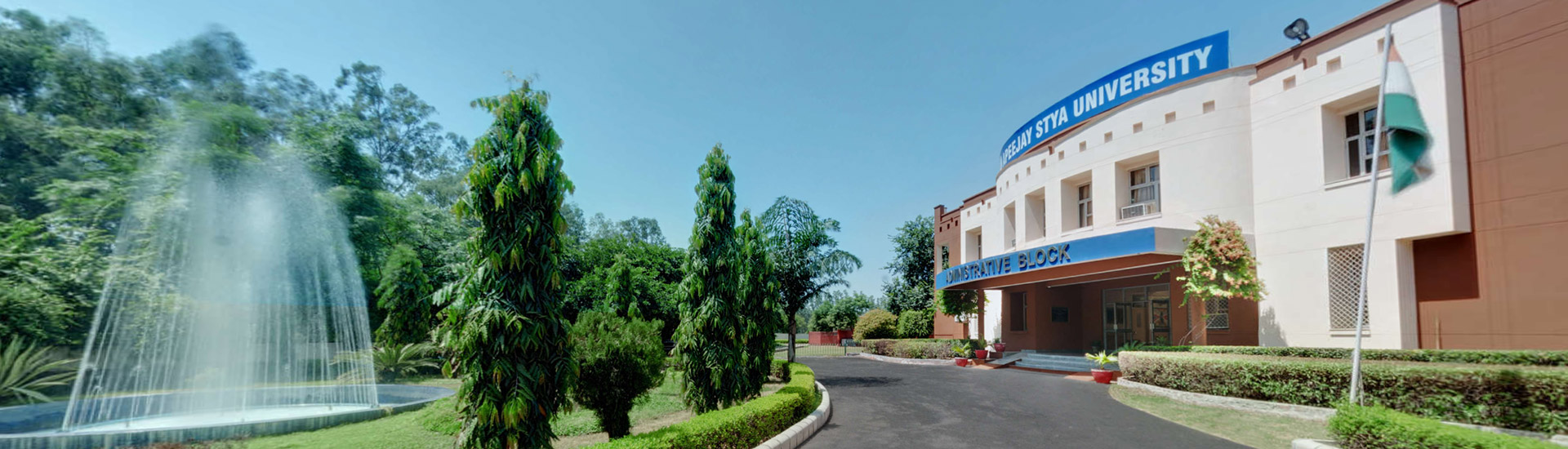
| Apeejay Stya University | Haryana | Merit-Based/Direct Admission | university.apeejay.edu |
| Amity University | Multiple Campuses | Direct Admission/Merit-based | amity.edu |
| Shiv Nadar University | Uttar Pradesh | SNUSAT/Merit-based | snu.edu.in |
| Lovely Professional University (LPU) | Punjab | LPUNEST | lpu.in |
Additional Resources
Apeejay Stya University – School of Biosciences (SBS)
Apeejay Stya University (ASU) is a well-known private university in India offering a research-driven Integrated BTech + MTech in Biotechnology. The School of Biosciences (SBS) specializes in biotechnology, drug discovery, and genetics.
Key Highlights of ASU School of Biosciences
- Industry-oriented research and innovation
- Strong biotech collaborations with pharmaceutical companies
- Hands-on laboratory training in molecular biology, genetics, and bioinformatics
- Encourages entrepreneurship and biotech startups
For more details, visit: Apeejay Stya University
Fee Structure and Scholarships
| Institute | Annual Tuition Fee | Scholarships Available |
| IITs | ₹2-2.5 Lakhs | Merit-based & need-based scholarships |
| NITs | ₹1.5-2 Lakhs | Central government scholarships |
| BITS Pilani | ₹4-5 Lakhs | Merit-based scholarships |
| VIT | ₹1.8-2.5 Lakhs | VITEEE rank-based scholarships |
| SRM | ₹2-3 Lakhs | Founder’s scholarship for top students |
Career Opportunities After Integrated BTech + MTech Biotechnology
Graduates can explore careers in:
- Research and Development (R&D) – Biotechnology firms, pharmaceuticals.
- Biopharmaceutical Industry – Vaccine development, biologics manufacturing.
- Healthcare Sector – Genetic counseling, medical diagnostics.
- Agricultural Biotechnology – GM crops, pest control research.
- Environmental Biotechnology – Waste treatment, biofuels.
Internships and Industry Exposure
- Mandatory internships in biotech companies, research labs, and hospitals.
- Hands-on training in bioreactors, gene sequencing, and fermentation technology.
- Collaboration with leading biotech firms like Biocon, Serum Institute, and Dr. Reddy’s.
Frequently Asked Questions
- What is the duration of the Integrated BTech + MTech program?
- The program is 5 years long, combining both undergraduate and postgraduate studies.
- What are the career prospects after completing the Integrated Biotechnology course?
- Jobs in R&D, pharma, bioinformatics, healthcare, and agriculture sectors.
- Can students pursue a PhD after completing this program?
- Yes, integrated degree holders are eligible for direct PhD admissions.
- What is the difference between the Integrated BTech + MTech and regular BTech Biotechnology?
- Integrated programs save one year and offer advanced coursework and research exposure.
- How are internships and research opportunities integrated into the program?
- Students get industry exposure through internships, thesis work, and biotech collaborations.
Conclusion
The Integrated BTech + MTech Biotechnology program is an excellent choice for students passionate about biotechnology and research. It offers strong career prospects, advanced education, and cost savings while ensuring a seamless transition to higher studies or employment.
